
Photonic computing AI refers to an emerging hardware paradigm that uses light (photons) instead of electricity (electrons) to perform computations. This approach aims to solve the massive data transfer bottlenecks currently slowing down large language model (LLM) inference.
What is Photonic Computing AI?
In traditional computing, data moves through copper traces using electrical signals. As we push for faster AI, these electrical signals generate significant heat and face physical limits in how much data can be moved at once. Photonic computing seeks to replace these electrical paths with light-based pathways.
The primary goal of photonic AI is to address the "memory wall." This is the phenomenon where the processor is incredibly fast, but the system spends most of its time waiting for data to arrive from the memory. By using light, hardware designers hope to achieve much higher bandwidth and significantly lower energy consumption compared to current silicon-based chips.
- Light over Electricity: Uses photons to transmit and process data, potentially bypassing the heat and speed limits of copper.
- Solving the Memory Wall: Focuses on moving data between memory and the processor more efficiently.
- Massive Parallelism: Light allows for many different signals to exist in the same space, potentially enabling massive parallelization of the matrix multiplications that drive neural networks.
The Bandwidth Bottleneck in Current AI
For most modern LLM work, the limiting factor isn't how many calculations a chip can do per second; it is how fast it can get the necessary data to those calculation units. This is why many developers find that their expensive GPUs often sit "idling" while waiting for memory to catch up.
In the context of ai-hardware, we see this clearly during the "decoding" phase of text generation. When a model generates a new token, it must read every single active weight from its memory. If you are running a large model, the speed at which you see text appear on your screen is directly tied to the memory bandwidth—the number of bytes per second the system can move from memory to the processor.
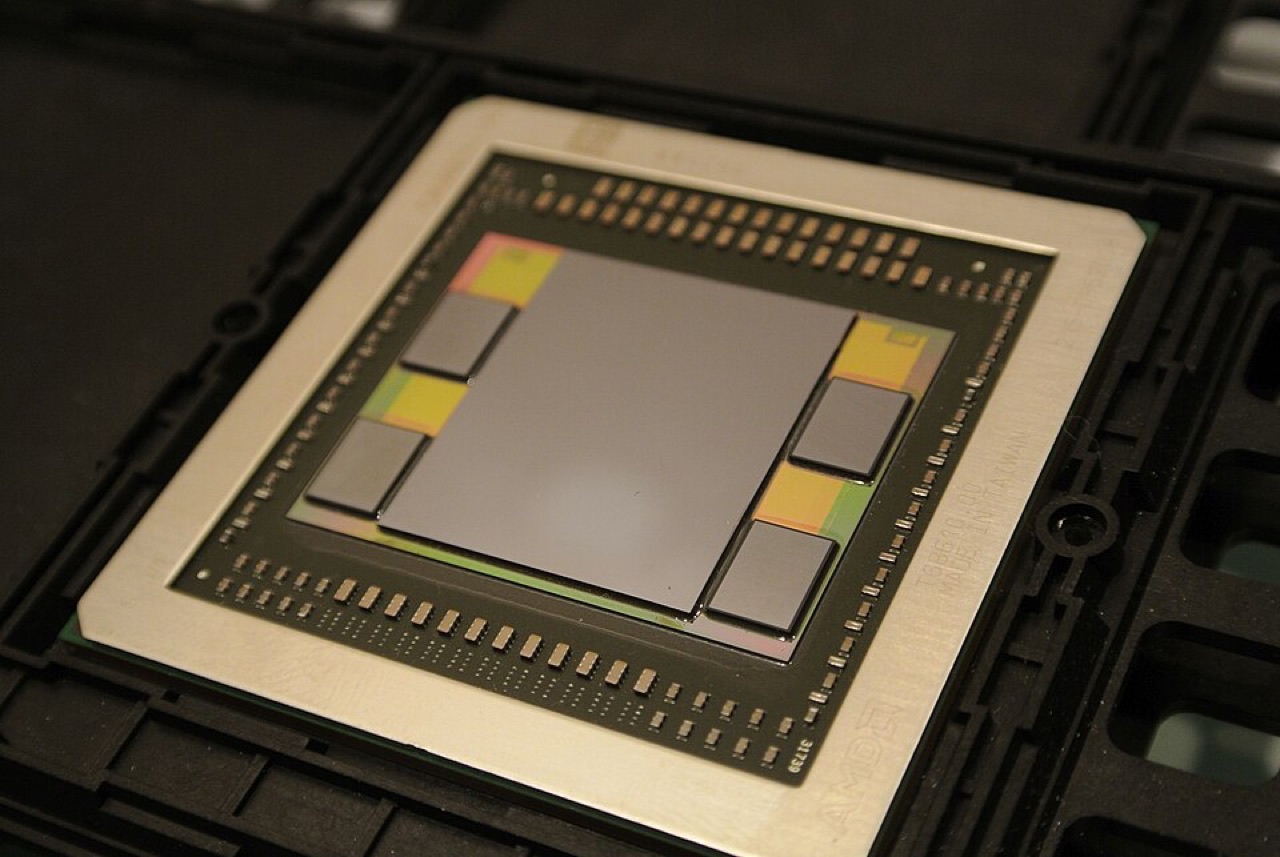
This is why high-end datacenter GPUs use HBM (High Bandwidth Memory) instead of the standard RAM found in a typical laptop. They are designed specifically to prevent the chip from starving for data.
Photonic vs. Electronic Hardware
Current electronic hardware, including CPUs and GPUs, faces a physical ceiling. As we try to move more data across a bus to satisfy hungry AI models, we encounter two major problems: heat and distance. Moving electricity through copper generates heat, and as the density of these connections increases, managing that heat becomes a massive engineering challenge.
Photonic approaches represent a potential shift in how we handle the core math of AI. Neural networks are essentially massive sequences of matrix multiplications. Because light can be multiplexed—meaning many different signals can travel through the same medium simultaneously—photonic chips could theoretically perform these multiplications in parallel at speeds that electronic traces cannot match.
| Feature | Electronic (Current) | Photonic (Emerging) |
|---|---|---|
| Carrier | Electrons (Electricity) | Photons (Light) |
| Primary Limit | Heat and electrical resistance | Component integration and precision |
| Data Movement | Limited by bus width and heat | Potentially massive bandwidth |
Impact on AI Inference and LLMs
Inference—the process of actually using a trained model to answer a prompt—is a memory-intensive task. For every single token generated, the hardware must read every active weight of the model from memory. If you are running a 70B parameter model, that is a massive amount of data to move for every single word produced.
If photonic computing can successfully increase effective bandwidth, the impact on LLM performance would be transformative. We would see a massive increase in "tokens per second." This isn't just for massive models in a datacenter; it would change the experience for everyone:
- Local Users: A small 7B model on a laptop could feel instantaneous, providing a chat experience that is as fast as a human can read.
- Enterprise Users: Massive 70B+ models used for customer service or data analysis could be served to hundreds of users simultaneously without the "lag" currently seen in many implementations.
- Edge Devices: Smaller, specialized AI tasks on phones or IoT devices could become significantly more efficient, saving battery life while providing smarter features.
Addressing the Memory Wall
The "memory wall" is the gap between the speed of the processor and the speed of the memory. As AI models grow larger every year, this gap is widening. We are currently trying to bridge this gap with brute-force engineering: adding more layers of memory (like HBM3e) or stacking memory closer to the chip.
However, as discussed in the context of memory-wall-ai, the gap is growing faster than our ability to bridge it with traditional electronics. Photonic computing is considered a "candidate technology" to solve this. Instead of just making the pipe wider (more wires), photonics aims to change the nature of the fluid in the pipe, allowing for much more data to move with much less energy.
The Future Hardware Landscape
The industry is currently in a transition phase. In the short term, we are seeing a push toward higher-speed standards like GDDR7 for consumer devices and HBM3e for datacenter hardware. These are incremental improvements to the electronic paradigm.
However, the long-term landscape may look very different. We are moving toward a world where the distinction between "memory" and "compute" might blur. We may see hybrid systems where electronic chips handle the complex logic and branching, while photonic components handle the heavy lifting of massive matrix multiplications and high-speed data movement.
Staying informed about next-generation-ai-chips is essential for planning long-term infrastructure investments.
Frequently Asked Questions
- How does photonic computing differ from standard AI chips?
- Standard AI chips use electrical signals through silicon, while photonic computing uses light to transmit and process data, potentially offering higher speeds and lower power.
- Will photonic computing solve the memory wall?
- It is a potential solution to the memory wall by providing much higher bandwidth, allowing data to move between memory and compute units more efficiently.
- Why is bandwidth so important for AI?
- In LLM inference, the chip often spends more time waiting for data from memory than actually performing calculations; higher bandwidth means faster token generation.
- Is photonic computing used in current GPUs?
- Current GPUs like the NVIDIA H100 or RTX 4090 use electronic signals and HBM/GDDR memory; photonic computing is an emerging technology for the next generation of hardware.
- How does it affect LLM token speed?
- Increased bandwidth from photonic technologies could significantly raise the 'tokens per second' ceiling by reducing the time the processor spends waiting for weights.
Questions people ask
How does photonic computing differ from standard AI chips?
Standard AI chips use electrical signals through silicon, while photonic computing uses light to transmit and process data, potentially offering higher speeds and lower power.
Will photonic computing solve the memory wall?
It is a potential solution to the memory wall by providing much higher bandwidth, allowing data to move between memory and compute units more efficiently.
Why is bandwidth so important for AI?
In LLM inference, the chip often spends more time waiting for data from memory than actually performing calculations; higher bandwidth means faster token generation.
Is photonic computing used in current GPUs?
Current GPUs like the NVIDIA H100 or RTX 4090 use electronic signals and HBM/GDDR memory; photonic computing is an emerging technology for the next generation of hardware.
How does it affect LLM token speed?
Increased bandwidth from photonic technologies could significantly raise the 'tokens per second' ceiling by reducing the time the processor spends waiting for weights.